
A young child demonstrates the minimum size required to ride the mommy train. Choo-choo! (Kai Pfaffenbach/Reuters)

For it is written, to the one with much juice, much deliciousness will be given unto him. Much love to the juicy.
A young child demonstrates the minimum size required to ride the mommy train. Choo-choo! (Kai Pfaffenbach/Reuters)
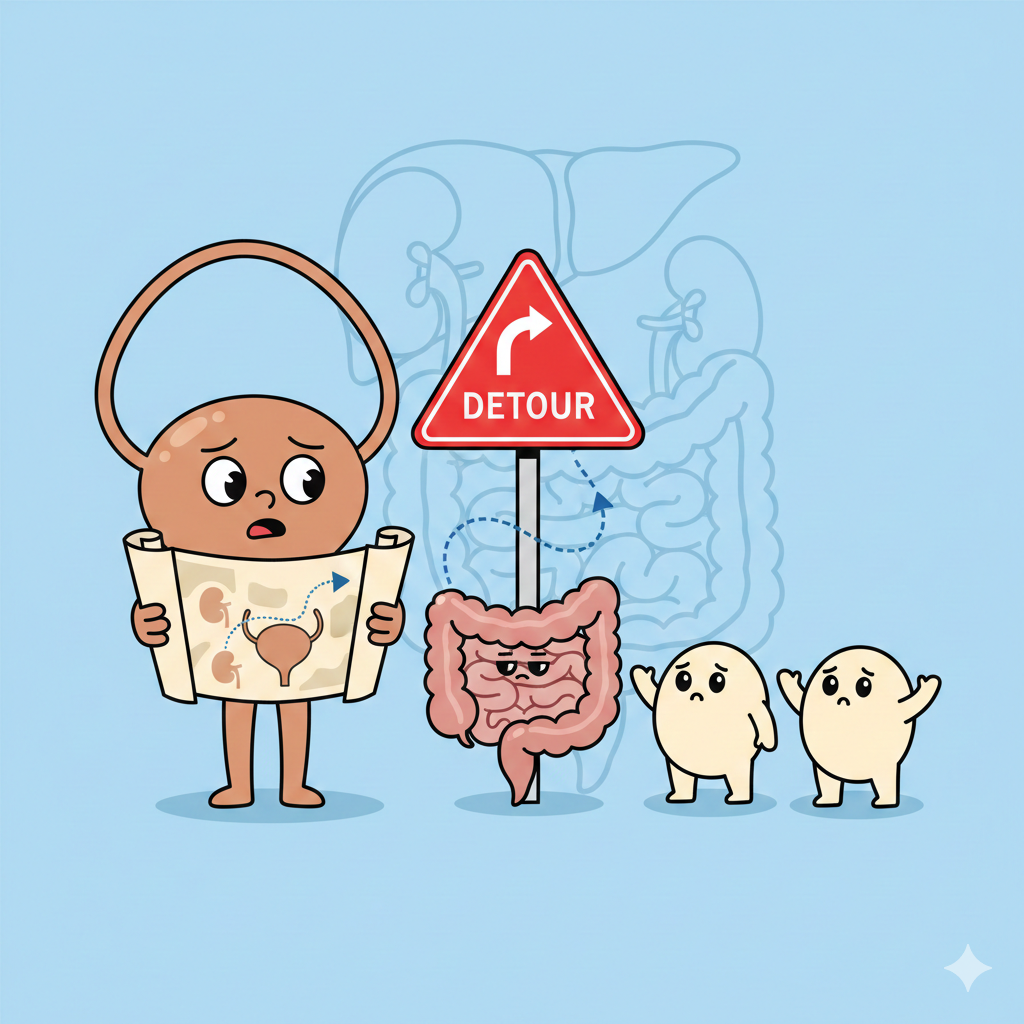
An Iranian boy was born without a penis, and surgeons want to make him a vagina, which is controversial.
Medically known as aphallia, the condition of the unidentified boy is so uncommon that it is thought to only occur in one in thirty million births.
In the medical literature, fewer than one hundred cases have been reported.
When his case was first reported in a journal, the boy, who was 14 months old at the time, still had two testicles and a healthy scrotum.
However, his extraordinary defect caused him to urinate through his anus.
Aphallia is a condition in which the genitalia do not develop normally during the first few months of pregnancy.
Diphallia, in which male babies are born with two penises, is caused by a similar process.
His mother, who was also not identified, said she had no issues during her pregnancy.
Doctors were able to figure out how his unique urinary system worked through special tests that were performed months after his birth.
An abnormal connection between his rectum and bladder was revealed by a special dye.
Specialists these days make young men brought into the world with aphallia a penis, in a technique known as a phalloplasty.
Doctors can also reconnect their urinary system to them by giving them a urethra.
However, in this instance, doctors said in a controversial way that gender reassignment and feminization surgery to create a pseudo-vagina are the recommended treatments.
They additionally prescribe estrogen treatment during pubescence to quell changes in his body, for example, the improvement of beard growth and the developing of the voice to adjust to his new orientation.
Despite the fact that this has historically been the treatment for aphallia, with boys being raised as girls, intersex and DSD charities have criticized this strategy because it is typically motivated by societal expectations of gender and sex rather than by medical considerations.
However, the doctors at Zahedan University of Medical Sciences did not specify whether the boy would undergo feminization surgery.
Intersex people are also boys born with aphallia.
Aphallia is thought to affect only one in every 10 million to 30 million births.
However, due to the stigma attached to the condition in some parts of the world, some experts believe that cases are underreported.
The cause of aphallia in the womb is unknown to scientists.

A baby boy in Pakistan was born with an incredibly rare medical condition known as diphallia, which means he has two working penises but no anus. According to a team of researchers who published their findings in the International Journal of Surgery Case Reports, the chances of being born with this condition are one in six million. Diphallia can present as complete or incomplete and is often associated with complex urological, gastrointestinal, or anorectal malformations.
The abstract of the study revealed that the boy’s penises were both normal-shaped, with one being slightly larger than the other at 2.5 cm and 1.5 cm in length, respectively. The boy had two separate urethral orifices, and both phalluses had normal-shaped glans with urethral openings located in the typical position. He had a single scrotum with two midline raphe and well-formed rouge. The boy was passing urine from both orifices, and an ultrasonography of his urological system showed two ureters and a single hemi bladder.
After being admitted to the hospital, the baby boy underwent surgery, and a sigmoid-divided colostomy was constructed. During the operation, the doctors also identified a congenital pouch colon. To enable the baby to pass stools, the doctors created an opening via a colonoscopy.

New research suggests regularly masturbating could help men reduce their risk of prostate cancer. A recent study found that men who ejaculate at least 21 times per month may lower their chances of prostate cancer by up to a third.
The study, published in European Urology, followed 31,925 men over 18 months and linked frequent masturbation with decreased prostate cancer risk, similar to the benefits of exercise and healthy eating. Researchers believe regularly clearing out toxins from the body through ejaculation offers protective effects.
This adds to a growing consensus around the health benefits of masturbation for men. Despite viral movements like No Nut November that promote abstinence, urologists argue there is no evidence that refraining from masturbation improves physical or mental wellbeing.
Dr. Rena Malik previously told Insider that research shows masturbation reduces stress and prostate cancer risk. She cited a 2016 study finding men under 50 who ejaculated over 21 times monthly had lower prostate cancer diagnoses.
While some claim masturbation hurts athletic performance, Malik dismissed this as unfounded. Instead, the newest research makes it clear that enjoying masturbation frequently could be an important part of self-care for men, with tangible impacts on health.
So while periodic abstinence challenges may seem fun, the science shows masturbating regularly well into one’s 40s could truly save lives by decreasing prostate cancer risk. For optimal health, striving for 21+ monthly masturbation sessions appears the way to go.