
Ted Cruz strangles a drifter while whispering “the crow flies at midnight” at a rally at Springmaid Resort in Myrtle Beach, S.C. (Photo: Randall Hill/Reuters)

For it is written, to the one with much juice, much deliciousness will be given unto him. Much love to the juicy.
Ted Cruz strangles a drifter while whispering “the crow flies at midnight” at a rally at Springmaid Resort in Myrtle Beach, S.C. (Photo: Randall Hill/Reuters)


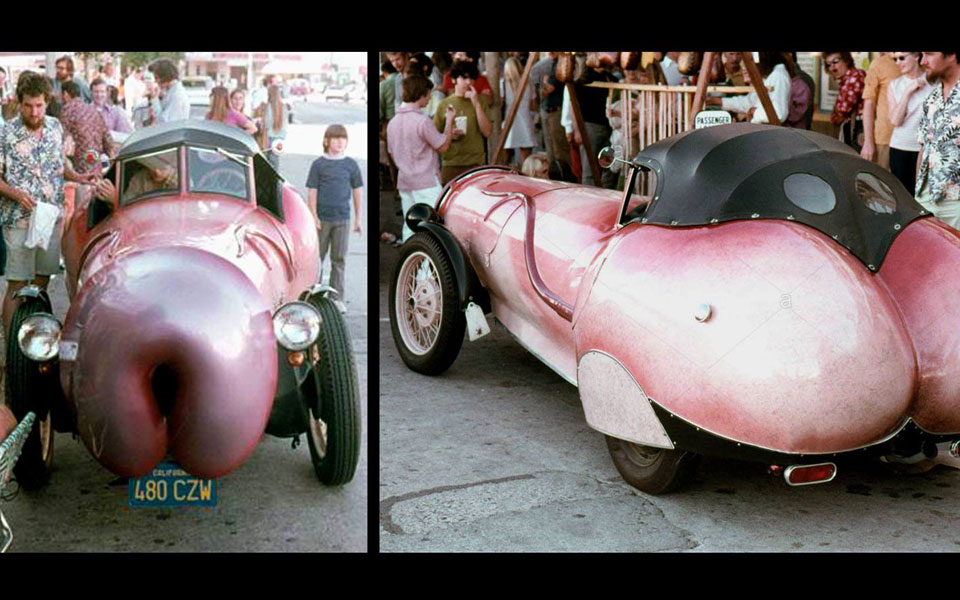
Do Men Buy Flashy Cars to Overcompensate? Study Finds Truth in Old Stereotype
A new study suggests there may be some truth to the old stereotype that men buy flashy sports cars to compensate for lacking in other areas. Researchers at a London university set out to explore if feelings of inadequacy about penis size motivate men to seek out symbols of virility like sports cars.
The team manipulated participants’ perceptions of their manhoods by presenting misleading information intended to make some men feel below average in endowment. These men were then more likely to express interest in buying a sports car, suggesting they may use conspicuous consumption to boost self-esteem.
The effect was strongest among men over 29, who showed statistically significant increased desire for sports cars after receiving small penis misinformation. The study indicates that age impacts mating strategies, with older men more motivated to showcase status to overcome perceived inadequacies.
This builds on earlier research finding sports cars help men attract dates but don’t necessarily signal long-term partner potential. The authors suggest further study into whether other luxury items similarly compensate for male insecurities.
Of course, flashy cars likely provide an ego boost regardless of the driver’s anatomy. But this study sheds light on the deep-seated psychology potentially at play for midlife men gripped by sports car fever. While pop culture has long joked about compensation, this research suggests a real link between feelings of inadequacy and conspicuous consumption.
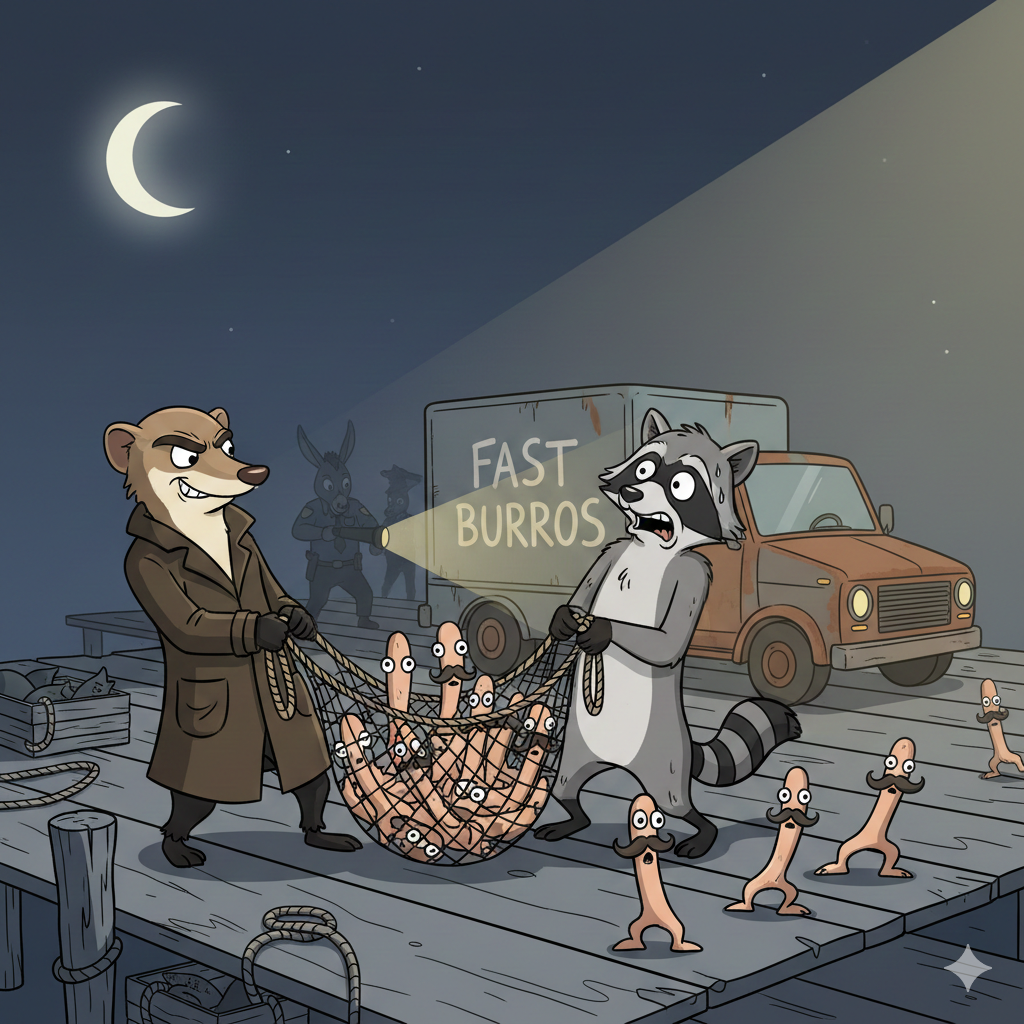
Nigerian officials made a startling discovery in the north-central city of Kontagora last week – thousands of dried donkey penises being smuggled out of the country. The donkey parts were found hidden in a truck headed to Hong Kong, where they are highly valued for use in traditional Chinese medicine.
This massive seizure sheds light on a booming and sinister trade that has wreaked havoc on Nigeria’s donkey population. As demand for donkey skins and body parts has skyrocketed in China in recent years, Nigerian donkeys have been slaughtered by the millions to feed this illicit industry.
Conservationists warn that unchecked, this rapidly growing trade could spell extinction for Nigerian donkeys. Already, the country’s donkey population has plunged from around 3 million in 2016 to just 800,000 today as smugglers try to cash in.
In an effort to halt this alarming decline, Nigeria banned the export and slaughter of donkeys in 2016. However, international criminal networks have continued the brutal trade by smuggling donkey parts out of the country to meet surging demand in China.
The recent seizure of over 3,000 donkey penises was a major bust by Nigerian authorities trying to crack down on this cruel and illegal trade. Officials warned that smugglers caught with donkey parts will face arrest and prosecution as the government continues its fight to protect the nation’s donkeys.
For now, the confiscated donkey penises are set to be destroyed, preventing them from reaching buyers in Hong Kong. But the bigger challenge remains ending the shadowy transnational networks that drive the intense hunting of Nigerian donkeys and the horrors of the illicit donkey skin trade.