
On Monday night, three passengers were removed from a flight at Flint Bishop International Airport by flight attendants. Two of them were allegedly kicked off the plane for using a certain anatomical term, according to the passengers. The incident involved a father-in-law and son who claimed that they were having a good time and mentioned the word “penis” without any derogatory intent. However, the flight crew had deemed their behavior unruly, possibly due to other factors such as being intoxicated or aggressive. Allegiant Airlines provided a different version of the story, stating that the passengers failed to comply with the crew’s instructions and were therefore deplaned for the safety of other passengers and crew members. The airline emphasizes that it does not tolerate any disruptive, abusive, or unruly behavior on its flights.
Passengers Kicked Off Flight for Saying ‘Penis’

Related Post

Florida Man Sexually Abused a Goldendoodle in Front of Multiple Witnesses an then destroyed a Church Nativity SceneFlorida Man Sexually Abused a Goldendoodle in Front of Multiple Witnesses an then destroyed a Church Nativity Scene
A man in Florida was arrested for allegedly sexually abusing a dog in front of several families before damaging a nativity display at a church and attempting to steal a car. Chad Albert Mason, 36, was charged with one count of sexual activity involving an animal, two counts of exposing sexual organs, and two counts of lewd or lascivious exhibition. Police were alerted about the sexual activity involving animals after receiving multiple 911 calls on Sunday. Mason allegedly inserted his penis into the dog’s anus and performed a sex act in front of numerous adults, including a child. He fled after being confronted by an adult. Police later found him and took him into custody. Mason is also accused of destroying the nativity scene at Northwood Presbyterian Church, causing $400 worth of damage. He was released on bond and is scheduled to appear in court next week.
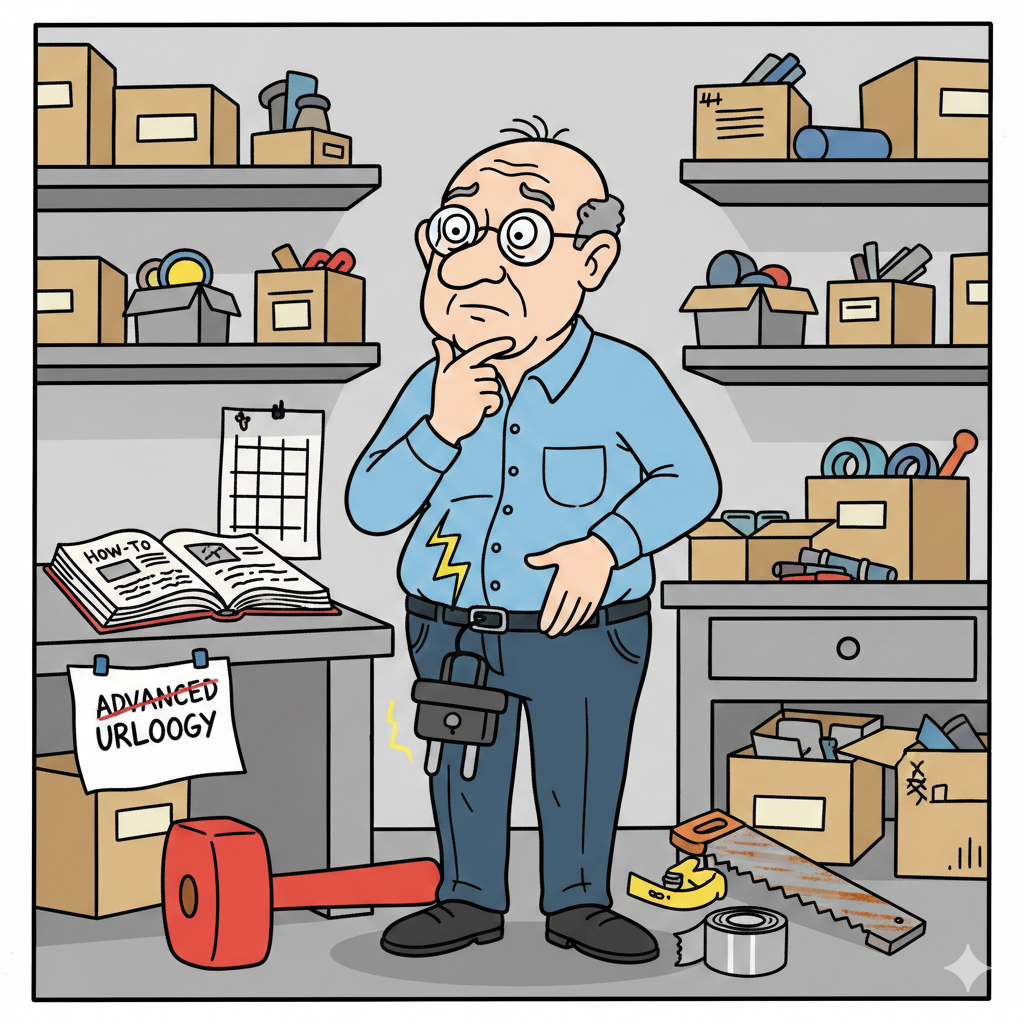
Pakistani man needs 18 cm long electrical wire pulled out of his penis after it got stuck during DIY attempt to help him urinatePakistani man needs 18 cm long electrical wire pulled out of his penis after it got stuck during DIY attempt to help him urinate
A 64-year-old Pakistani man needs an 18-centimeter electrical wire pulled out of his penis because it got stuck in his urethra during a DIY attempt to help him urinate. The Pakistani man shoved the 18-centimeter wire into his urethra, but it got stuck.
He told the doctors who treated him at Karachi’s Abbasi Shaheed Hospital that he had put in the object to help him urinate.The unidentified man informed them that prior to inserting the wire inside himself, he had been experiencing pain and having trouble urinating for two months.
Doctors wrote in the journal Urology Case Reports that when they touched the wire in his penis, they could actually feel it.
An X-ray revealed that the wire had reached the man’s bladder all the way up his urethra.To examine the wire, surgeons had planned to insert a camera into the man’s urethra.
On the other hand, when he spread his meatus, they could see the hole through which urine flows.
The doctor then used forceps to manually remove the object.
This X-ray shows that the man’s wire is inside his urethra and extends all the way to his bladder. The doctor was able to use forceps to grab the tip of the wire and pull it back out of his penis. The doctor said the patient didn’t have any bleeding or injury after the wire was removed.
The authors did not specify whether the man in the most recent case had ever done so before or if it was a one-time occurrence.
They also didn’t say exactly when this happened or explain why the man was having trouble urinating in the first place.
However, they claimed that the man had not had a sexual encounter in three years.
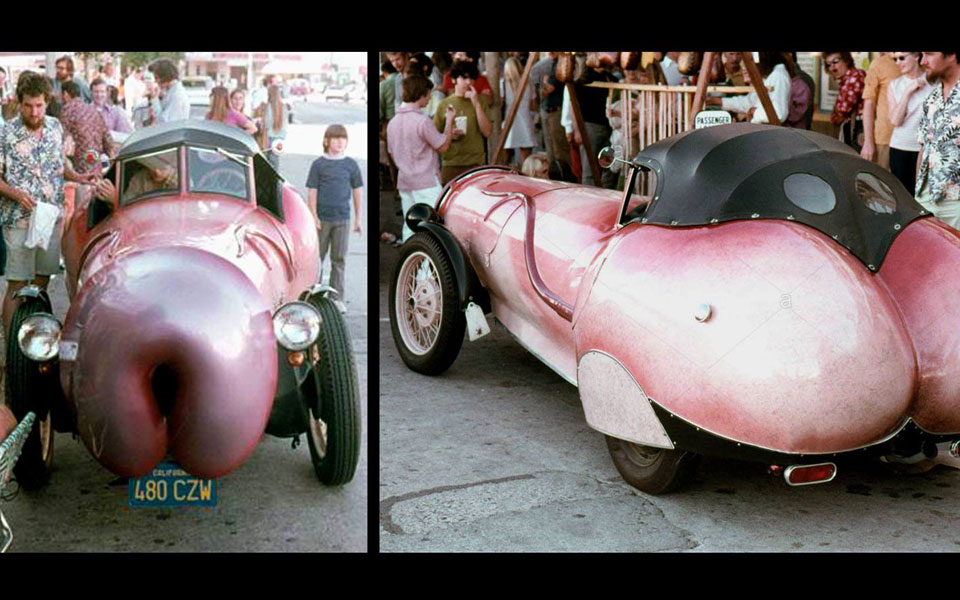
Do Men Buy Flashy Cars to Overcompensate? Study Finds Truth in Old StereotypeDo Men Buy Flashy Cars to Overcompensate? Study Finds Truth in Old Stereotype
Do Men Buy Flashy Cars to Overcompensate? Study Finds Truth in Old Stereotype
A new study suggests there may be some truth to the old stereotype that men buy flashy sports cars to compensate for lacking in other areas. Researchers at a London university set out to explore if feelings of inadequacy about penis size motivate men to seek out symbols of virility like sports cars.
The team manipulated participants’ perceptions of their manhoods by presenting misleading information intended to make some men feel below average in endowment. These men were then more likely to express interest in buying a sports car, suggesting they may use conspicuous consumption to boost self-esteem.
The effect was strongest among men over 29, who showed statistically significant increased desire for sports cars after receiving small penis misinformation. The study indicates that age impacts mating strategies, with older men more motivated to showcase status to overcome perceived inadequacies.
This builds on earlier research finding sports cars help men attract dates but don’t necessarily signal long-term partner potential. The authors suggest further study into whether other luxury items similarly compensate for male insecurities.
Of course, flashy cars likely provide an ego boost regardless of the driver’s anatomy. But this study sheds light on the deep-seated psychology potentially at play for midlife men gripped by sports car fever. While pop culture has long joked about compensation, this research suggests a real link between feelings of inadequacy and conspicuous consumption.