New Zealand man was left unable to urinate for three months after suffering grisly penile injury

A 49-year-old man from New Zealand was unable to urinate for three months after suffering a horrific penile injury when he fell nearly 10 feet onto a fence post. After the three-meter fall, he started bleeding from the end of his member. Doctors discovered that he had a small hole in his urethra that was allowing blood to enter it. He was given an indwelling catheter for months, which forced him to urinate into a bag.

After his unfortunate landing, which put the post between his legs, the 49-year-old began bleeding from the end of his penis.
The impact made it difficult for the man from Auckland, New Zealand, to urinate and left him in agony.

He went to the urology office at Auckland City Clinic, where specialists tracked down his urethra — the cylinder passing pee — was harmed by the fall.Doctors have revealed that a man from Auckland, New Zealand, was left unable to urinate for three months after falling nearly 10 feet onto a fence post and landing on his penis. What is the urethra?

The tube that allows urine to leave the body is called the urethra.
It is a long tube that connects the end of the penis to the bladder in men. Additionally, when a man ejaculates, it carries sperm.

It opens just above the vagina in women, where it is much shorter.
There was a hole in the tube, according to scans, which allowed blood to enter the tract directly from a nearby vein.

In order to allow his urethra to heal, they fitted him with a catheter for three months, causing him to urinate outside of his body into a bag.
He recovered completely, and surgeons eventually removed the catheter, which allowed him to drink normally.

But doctors said he could have died from sepsis if the bacteria in his urine got into his blood.
The grisly injury sustained by the unidentified man was recorded in the medical journal Urology Case Reports.

It did not specify the object from which he fell three meters (9.8 feet), which is the same height as an African bull elephant.
He felt immediate pain from the fall, and he noticed that the blood in his urine had changed the color of his urine.

Urine that has blood in it can turn a reddish, brown, or tea-like color.
He also had bruising on the back of his upper thigh in the perineum, which is the area between the scrotum and anus.

The man went to his local hospital’s urology department, where doctors noticed that his testicles were also painful.They thought he had been hurt to the urethra because they found blood in his urine but no other abnormalities.
To determine the extent of the damage, doctors inserted a small camera into his urethra and discovered a small hole in the tube’s lining.

In the medical literature, only a few similar injuries have been reported.
With the assistance of a catheter to divert the urine, the majority of patients are able to recover by simply allowing the urethra to repair itself.

However, in more serious cases, wound closure necessitates surgery.
Related Post

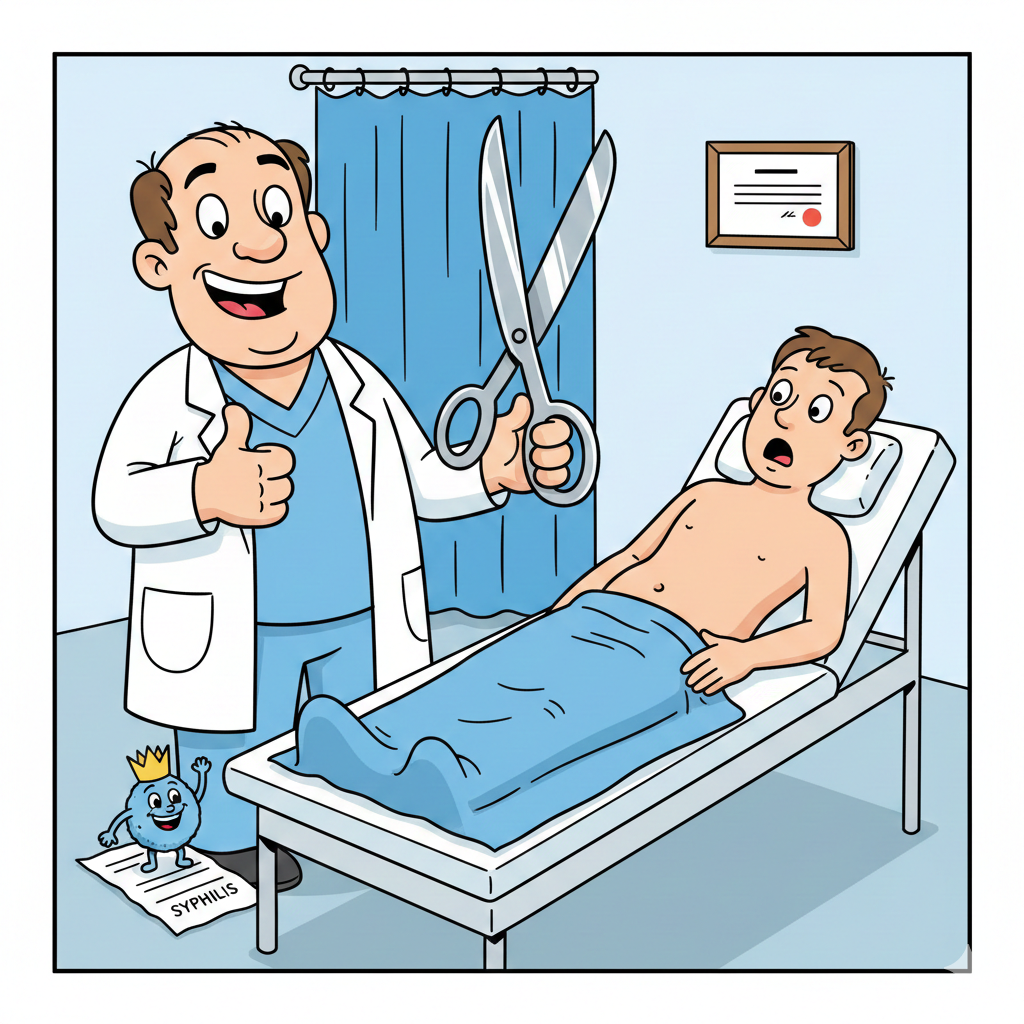
Doctor ‘cuts off man’s penis’ after mistaking syphilis for cancerDoctor ‘cuts off man’s penis’ after mistaking syphilis for cancer

A man from Italy is seeking €400,000 (£354,000) in compensation after surgeons allegedly wrongly amputated his penis, believing it to be cancerous. It was later discovered that he had a form of syphilis that could have been treated with medication. The surgery occurred in November 2018 at San Donato Hospital in Arezzo, Tuscany, and the patient, now 68 years old, intends to take the 35-year-old urologist responsible to court. A preliminary hearing in a court in Arezzo next month will determine whether the case will proceed to trial. The man has requested anonymity due to the sensitive nature of the situation and claims to have suffered significant physical and psychological harm. The surgeon, who is highly respected, no longer works at the Tuscany hospital but now operates in a Milan hospital. According to local newspaper Corriere di Arezzo, the man’s experience was both painful and embarrassing.

Home care worker puts penis in resident’s mouth for ‘comfort’Home care worker puts penis in resident’s mouth for ‘comfort’

A court has heard that a care home worker sexually assaulted a vulnerable resident in order to “comfort” her.

The accused, Samuel Shaheen, reportedly repeatedly kissed the woman, touched her breasts and buttocks, and inserted his penis in her mouth while assuring her that it was their “little secret.” According to prosecutor Ian Wright, Shaheen, who was a qualified nurse in his home country, was working as a care assistant at a residential home in Neath Port Talbot when he committed the acts. He allegedly carried out the sexual assaults on multiple occasions, with the victim being a woman with various physical and psychiatric health issues.

The court was told that the 46-year-old carer instructed the woman not to tell anyone about their secret and showed her photographs of his wife and children in Pakistan. Shaheen said that his wife was his “number one” but the victim was his “number two.”

The victim did not report the abuse for some time but eventually went to the care home manager, and the police were notified. Shaheen was arrested at his sister-in-law’s house in Newport and admitted to the sexual acts in interviews, claiming that they had been consensual. He then said that he had been acting out of kindness in providing “comfort” to the woman with his kissing and touching.

In an impact statement read to the court, the victim said that the abuse had left her feeling like she could no longer trust anyone, and she believed the experience had worsened her mental health.

Judge Christopher Vosper KC found that Shaheen had groomed the woman and taken advantage of her to carry out sexual acts. He also noted that the victim had been too afraid to report the abuse. The judge expressed concern about Shaheen’s lack of appreciation for the severity of his actions and the possibility of future offenses.

Shaheen was sentenced to four years in prison, with a one-third discount for his guilty pleas. He will serve up to half that period in custody before being released on license to serve the remainder in the community. He will also be on the sex offenders register for the rest of his life and subject to an indefinite sexual harm prevention order. The judge warned that Shaheen might be detained in an immigration center when he is released halfway through his sentence.

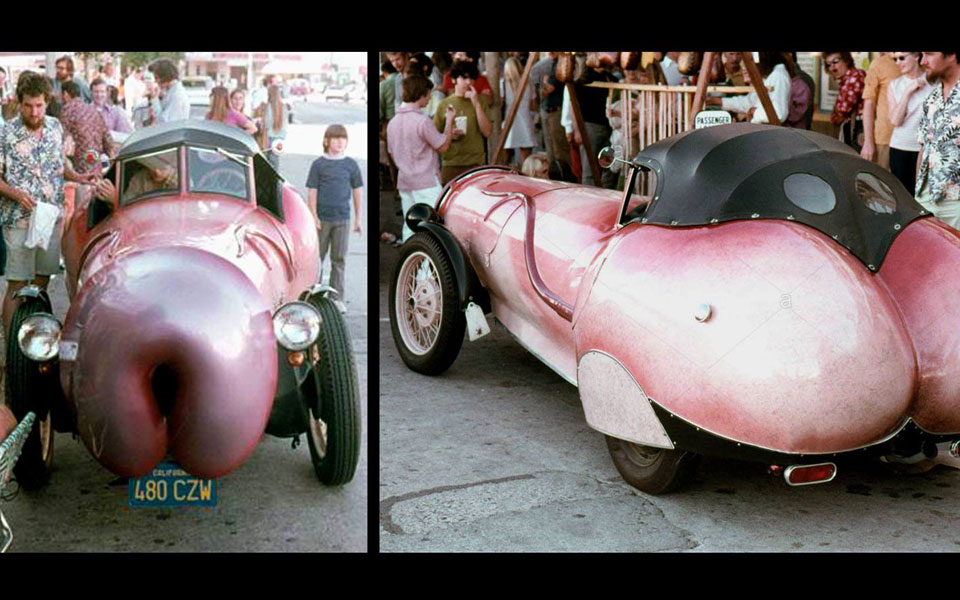
Do Men Buy Flashy Cars to Overcompensate? Study Finds Truth in Old StereotypeDo Men Buy Flashy Cars to Overcompensate? Study Finds Truth in Old Stereotype

Do Men Buy Flashy Cars to Overcompensate? Study Finds Truth in Old Stereotype

A new study suggests there may be some truth to the old stereotype that men buy flashy sports cars to compensate for lacking in other areas. Researchers at a London university set out to explore if feelings of inadequacy about penis size motivate men to seek out symbols of virility like sports cars.

The team manipulated participants’ perceptions of their manhoods by presenting misleading information intended to make some men feel below average in endowment. These men were then more likely to express interest in buying a sports car, suggesting they may use conspicuous consumption to boost self-esteem.

The effect was strongest among men over 29, who showed statistically significant increased desire for sports cars after receiving small penis misinformation. The study indicates that age impacts mating strategies, with older men more motivated to showcase status to overcome perceived inadequacies.

This builds on earlier research finding sports cars help men attract dates but don’t necessarily signal long-term partner potential. The authors suggest further study into whether other luxury items similarly compensate for male insecurities.

Of course, flashy cars likely provide an ego boost regardless of the driver’s anatomy. But this study sheds light on the deep-seated psychology potentially at play for midlife men gripped by sports car fever. While pop culture has long joked about compensation, this research suggests a real link between feelings of inadequacy and conspicuous consumption.